

Understanding Semen Analysis Results
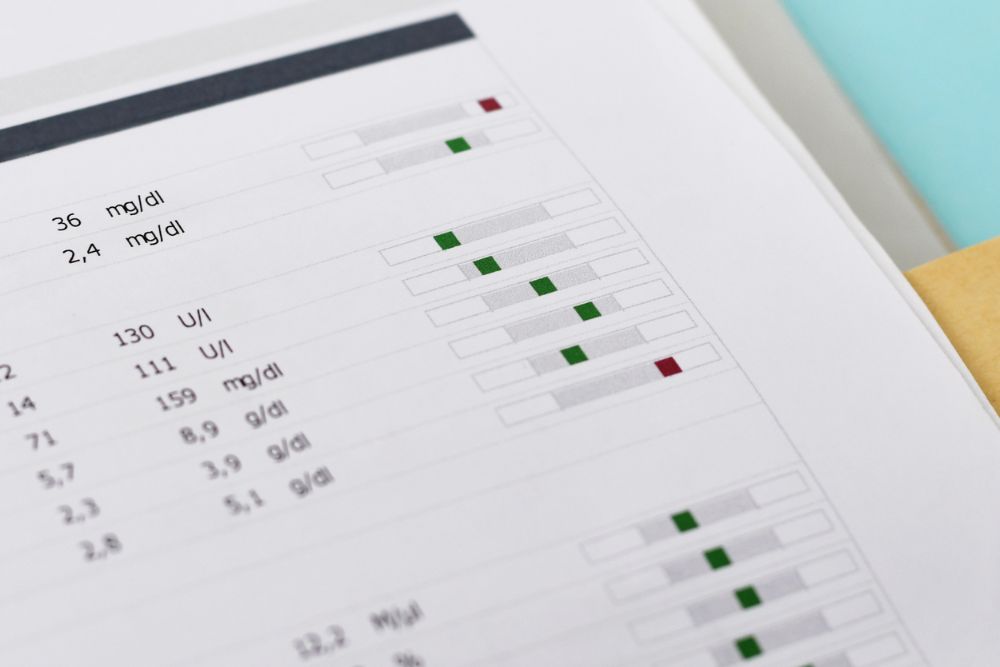
When it comes to family planning and understanding fertility, many couples face challenges that require a closer look at male reproductive health. A semen analysis might sound like a clinical procedure, but it's a quick and easy process that holds the key to unlocking valuable insights about a man's fertility potential. Whether you’re seeking answers to fertility questions or simply looking to understand the biological factors at play, a semen analysis can be an important first step on your path to parenthood.
What Is a Semen Analysis?
A semen analysis is a laboratory test that assesses various aspects of a man's semen, which is the fluid containing sperm. It’s primarily used to evaluate male fertility, helping identify factors that may contribute to challenges with conceiving. By analyzing a semen sample, healthcare providers can gain insights into an individual's overall reproductive health.
Key Parameters Analyzed
A semen analysis involves several key parameters that provide valuable insights into male fertility, including:
- Sperm count: This refers to the number of sperm present in a given volume of semen. A typical healthy sperm count ranges from 15 million to over 200 million sperm per milliliter. A lower count may indicate potential fertility issues.
- Motility: This parameter assesses sperm movement and swimming ability. Motility is crucial because sperm need to swim through the female reproductive tract to reach and fertilize an egg. Generally, at least 40% of sperm should be motile for optimal fertility.
- Morphology: Morphology evaluates the shape and structure of sperm. Normal sperm should have an oval head and a long tail. Abnormal shapes can hinder the sperm’s ability to fertilize an egg.
Understanding Semen Analysis Results
Interpreting semen analysis results can help healthcare professionals assess male fertility. Normal results would typically indicate a healthy sperm count, adequate motility, and normal morphology. On the other hand, abnormal results may suggest conditions such as low sperm count (oligospermia), reduced motility (asthenozoospermia), or abnormal morphology (teratozoospermia).
It’s vital to understand that a single semen analysis doesn’t always provide a complete picture of fertility. Various factors, such as stress, illness, or fluctuations in sperm production, can influence results. Therefore, follow-up testing may be necessary to confirm any findings or track changes over time.
Finding the Right Fertility Care
For men facing fertility challenges, it’s crucial to consult with a male fertility specialist who can conduct a semen analysis, discuss the implications of any abnormalities, and outline potential next steps, such as lifestyle changes, further testing, or treatments aimed at improving fertility.
At The Fertility Center of California, we offer comprehensive semen analysis testing services through our state-of-the-art on-site laboratories. For more information about fertility testing in San Diego or Orange County, request a consultation today.